Report · Lucca Comics & Games 2026 · 60 Legacy
Lucca 60 – Legacy: role-playing as heritage, encounter and educational possibility
Three days at the IMT School for Advanced Studies Lucca, between education, demo sessions and meetings with people who helped build the history of role-playing games.
Further reading
From the report to the full talk
This report tells the wider story of Lucca 60. The written version of “D&D at school: role-playing games as an educational tool” is published separately among the site resources.
Some events are attended purely as enthusiasts; others, without ceasing to be celebrations, ask us to bring something of our own work and place it at the disposal of others. For me, Lucca Comics & Games 2026 was both. I arrived with the enthusiasm of someone who has inhabited the worlds of fantasy for many years, but also with the responsibility of speaking as a teacher and trainer about why I believe role-playing can have a place in school without losing its nature as play.
The fact that all this happened during Lucca’s sixtieth anniversary made the experience particularly meaningful. The theme, LEGACY, evokes what a community builds over time and passes on to those who come next. It also describes what I saw in these days: historic authors alongside new generations, teachers approaching a role-playing table for the first time, and people who, after decades, still find the same curiosity there.
The invitation from IMT: bringing play and research into dialogue
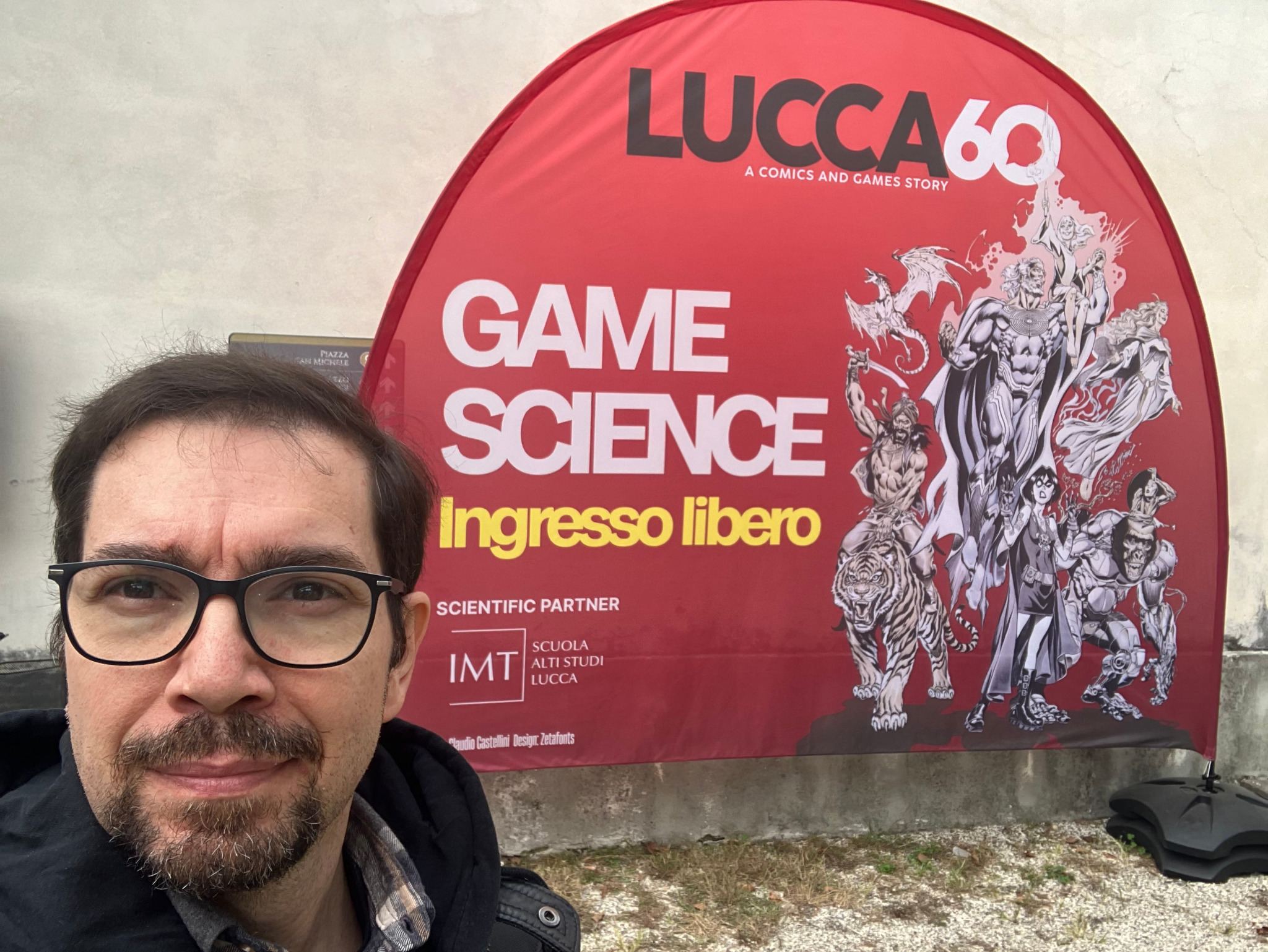
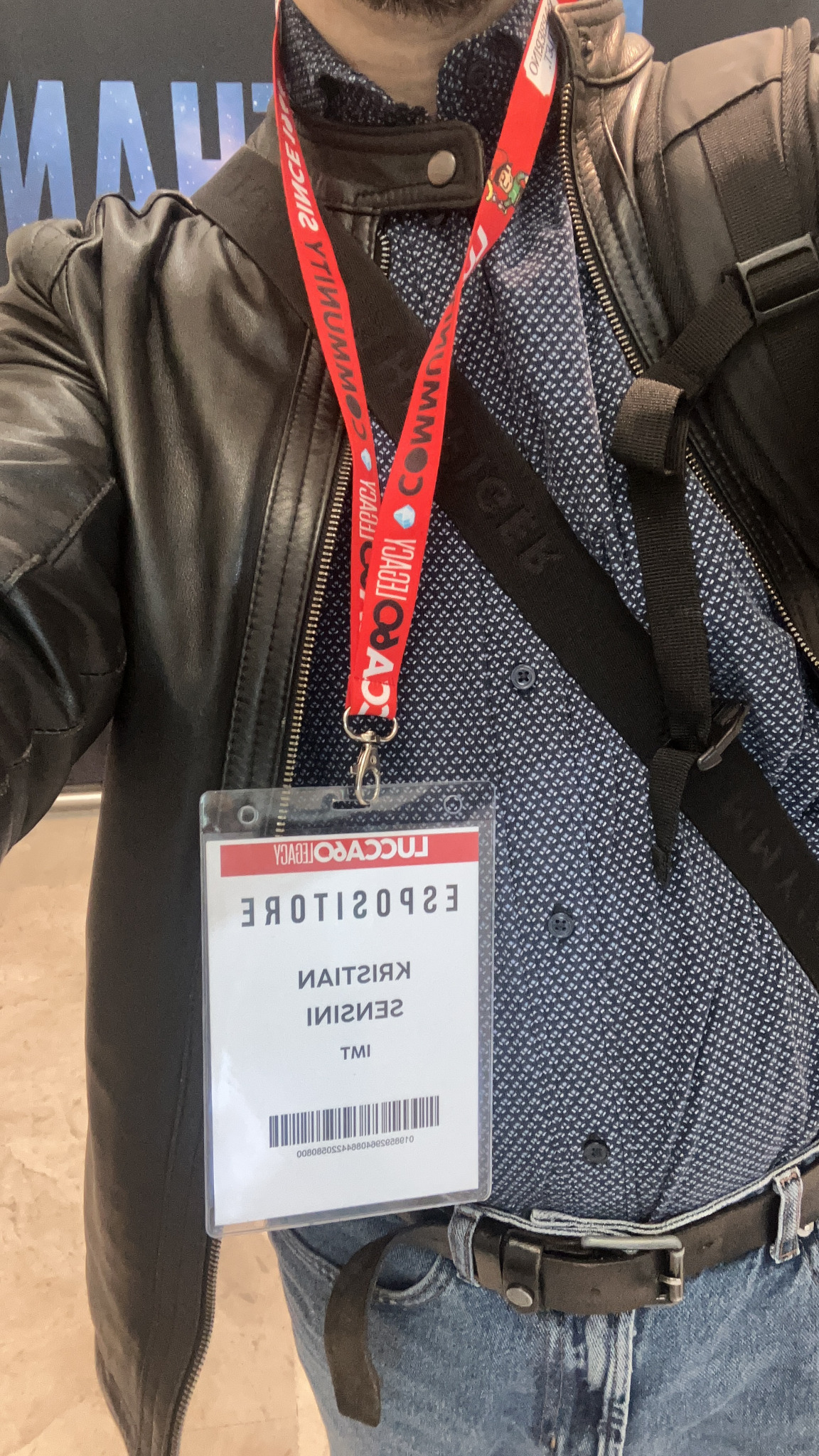
My presence in Lucca began with an invitation from Ennio Bilancini, director of the Game Science Research Center at the IMT School for Advanced Studies Lucca, as part of the Game Science programme created for the festival. IMT is a scientific partner of Lucca Comics & Games, creating a valuable space in which games can meet research, education, design and culture. Caterina Tangheroni and Ruggero Roni also followed the organisational work with great care and availability.
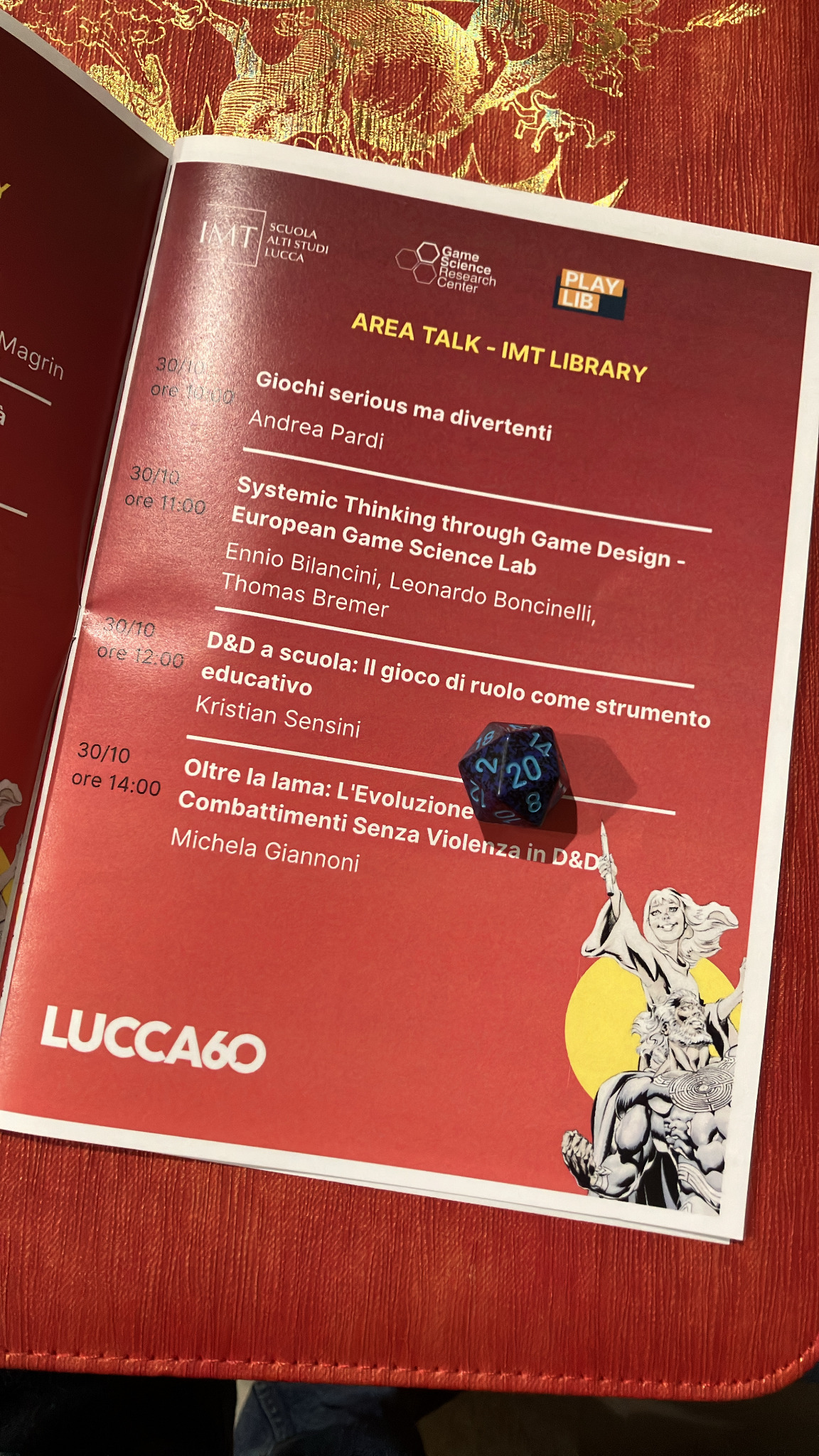
On Friday, October 30 at 12:00 PM, in the IMT Library in Piazza San Ponziano, I gave the talk “D&D at school: role-playing games as an educational tool”, included in the official Talk Area programme. I shared experiences developed in teaching and teacher training, together with the reflections collected in my book Dadi, Maghi & Draghi. My aim was not to present Dungeons & Dragons as a miraculous solution, but to show, through concrete examples, the conditions under which a shared story can support listening, argument, creativity and collective decision-making.
A game does not become educational simply because it is brought into a classroom. Clear aims, thoughtful facilitation, adequate time and a space for reflection are all necessary. Yet one element should never be lost: the pleasure of playing. When a student stops looking for the “correct” answer to deliver to the teacher and begins asking what they can do, together with others, inside an imaginary situation, something pedagogically interesting happens.
From theory to the table: three demo sessions
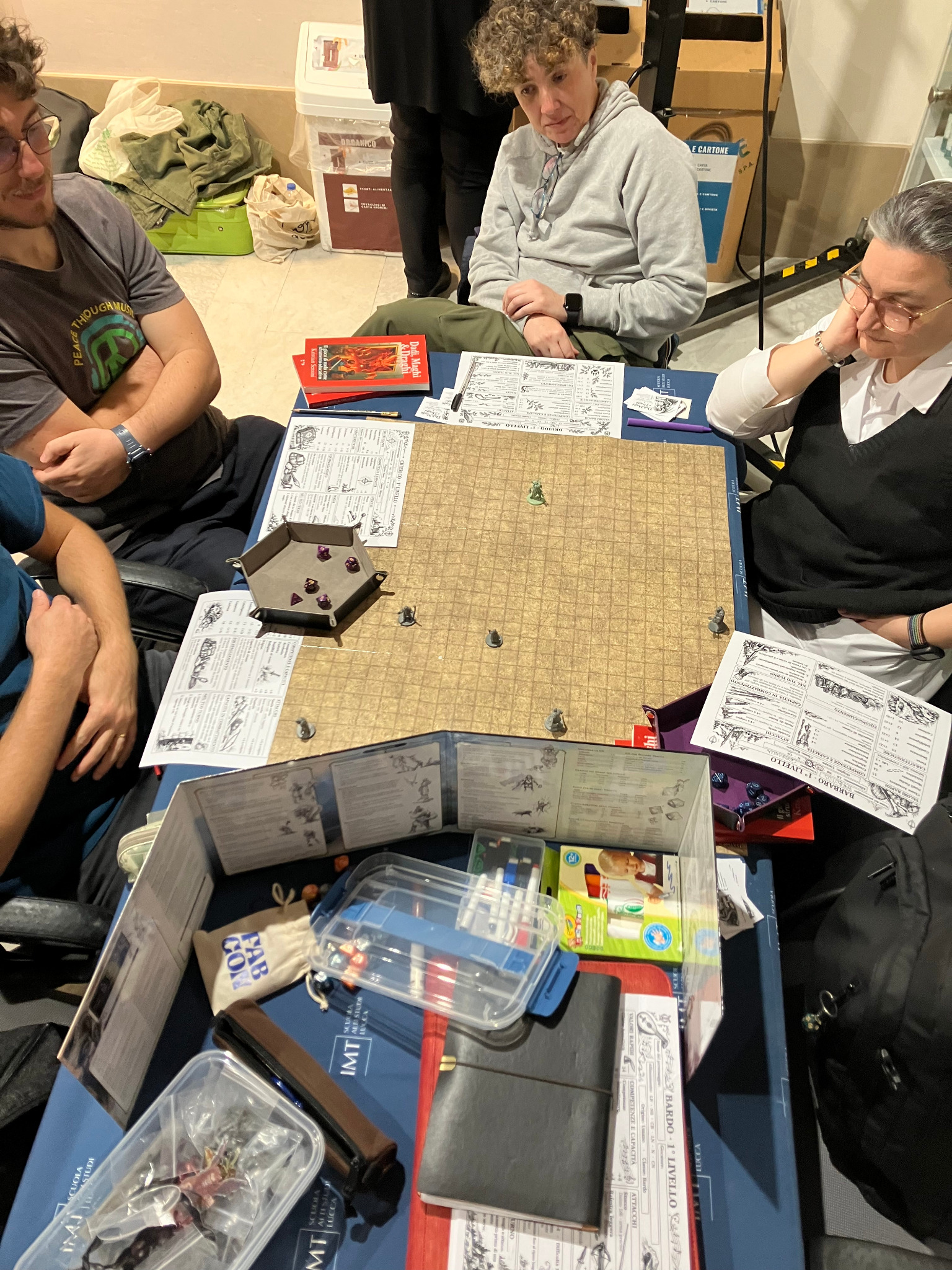
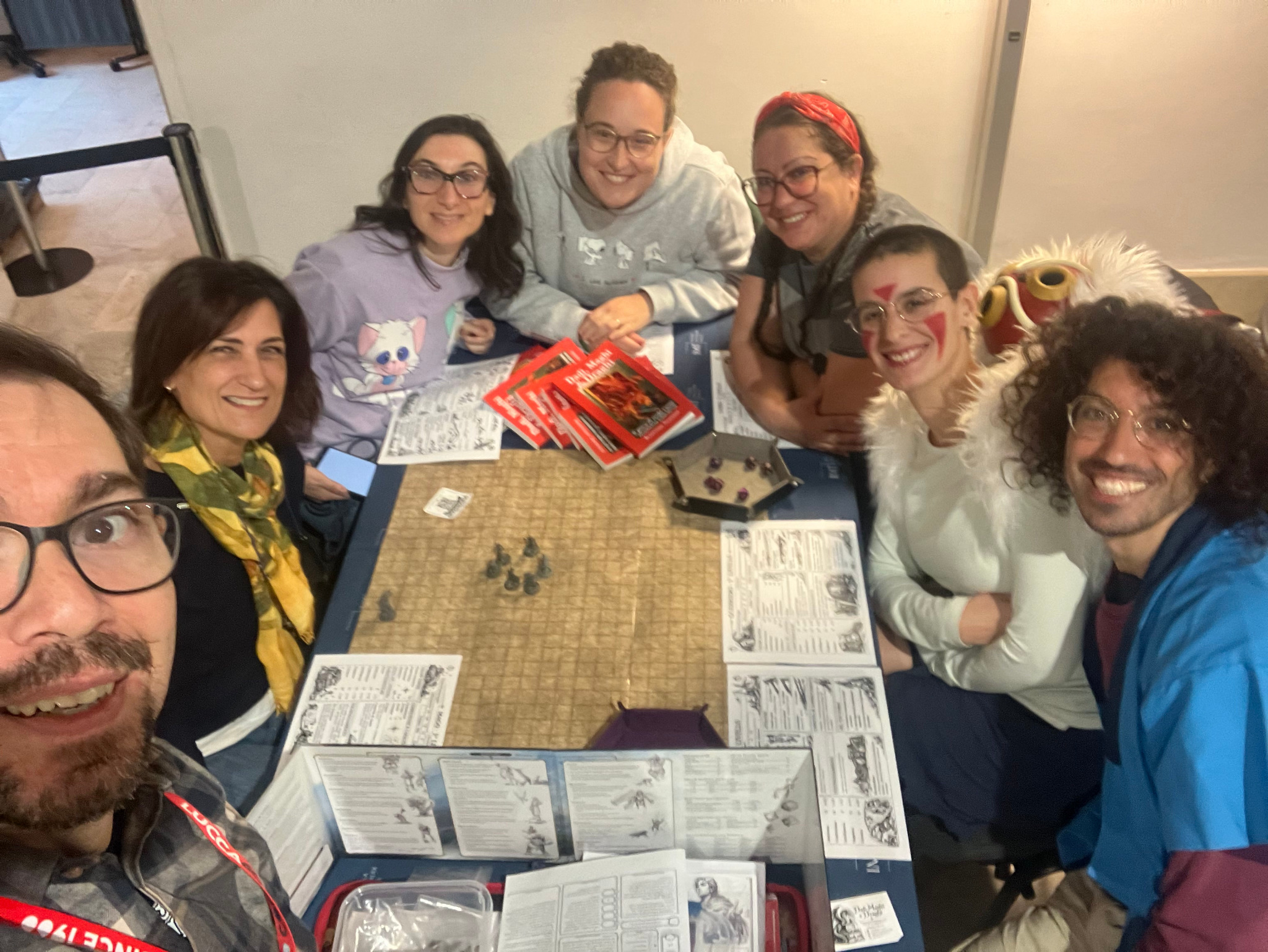
The talk was only one part of the experience. In the same library I ran three demonstration sessions: Friday October 30 from 3:00 to 5:00 PM, Saturday October 31 from 10:00 AM to noon, and Sunday November 1 from 10:00 AM to noon. They were designed especially for teachers, educators and people who wanted to experience role-playing directly in small groups.
The passage from conference to table is central to Dadi, Maghi & Draghi. It is easy to speak about collaboration; practising it means listening to somebody who reads a situation differently, accepting that a good idea may come from someone else, and facing an error without immediately turning it into failure. With a map, a few miniatures, character sheets and dice, abstract words become decisions, hesitations, surprises and laughter. In this sense, the person facilitating the game resembles someone facilitating learning: not deciding everything for the group, but creating the conditions in which a story can genuinely emerge together.
Joe Manganiello: a passion that goes beyond the screen
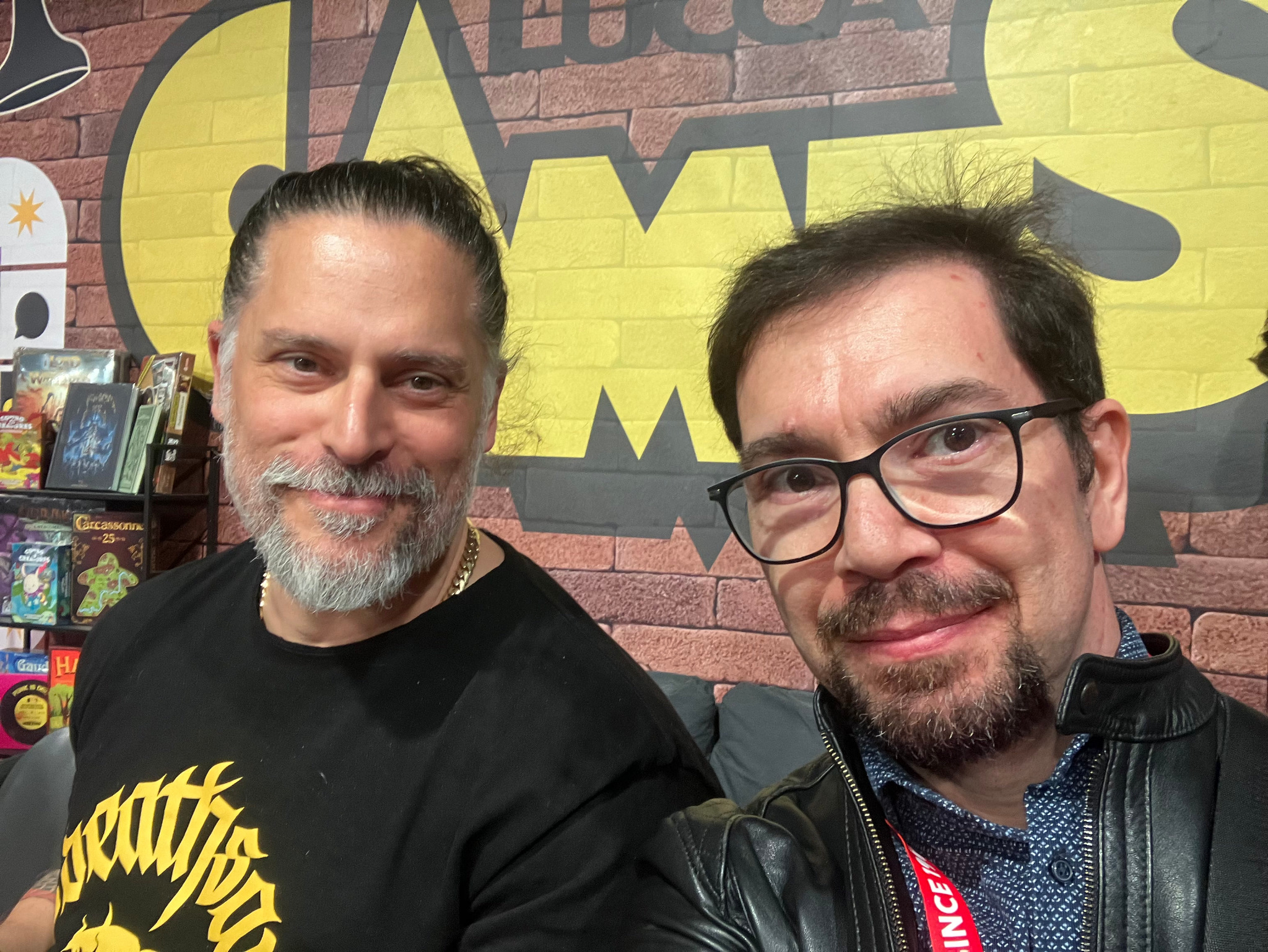
Lucca also offered encounters that have a special meaning for anyone who grew up with Dungeons & Dragons. One was meeting Joe Manganiello. Many people know him from film and television, but at Lucca 60 he was not simply a celebrity guest: the festival entrusted him with a special curatorial role in the Dungeons & Dragons programme, connected with the D&D Icons project and the rediscovery of historic settings.
Meeting him was exciting precisely because of this overlap of worlds. As a film composer I know the weight images and stories can have in the collective imagination; as a player and teacher I find it significant to see such a recognisable public figure openly committed to a passion shared by people of very different ages, professions and backgrounds.
Chris Perkins, Elise Rezendes and worlds that keep changing
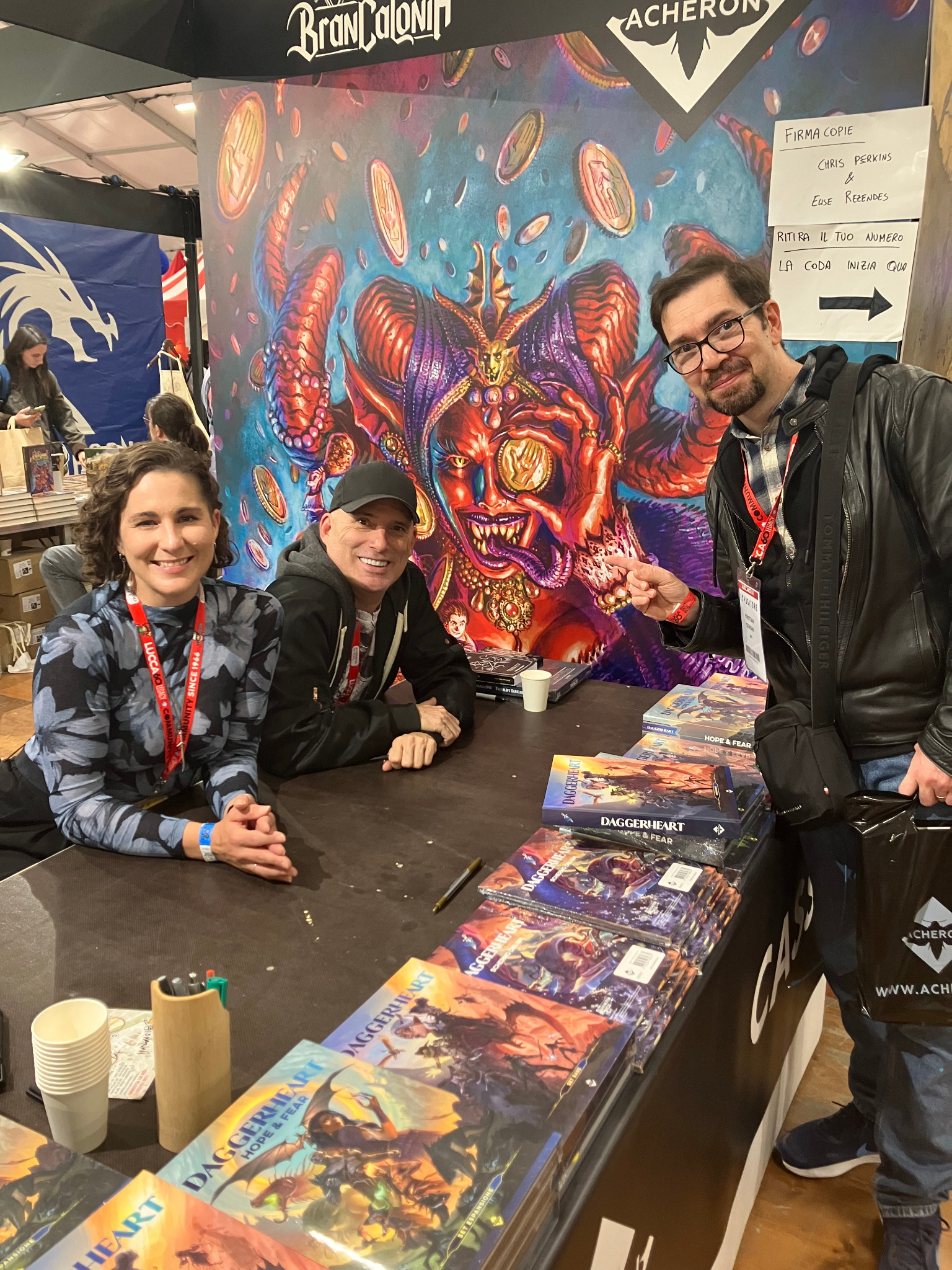
Another particularly meaningful moment was meeting Chris Perkins and attending the discussion devoted to Daggerheart and its Hope & Fear expansion with Elise Rezendes. Perkins contributed for many years to the editorial and narrative development of Dungeons & Dragons and is now Creative Director at Darrington Press; Rezendes works as Senior RPG Producer on role-playing projects connected to Critical Role.
I had the pleasure of giving Chris a copy of my book and, while talking, discovered a detail that struck me: he too had been a teacher for many years. The apparent distance between someone who helped shape imaginary worlds known worldwide and someone trying to bring a good role-playing experience into a classroom suddenly seemed smaller. Both activities require imagining possibilities, listening to the people in front of us and knowing when to leave room for someone else’s initiative.
The conversation around Daggerheart added another perspective: a role-playing game is not a static object to be preserved unchanged, but a language that evolves through rules, narrative sensibilities and communities. Forms change; the basic gesture remains remarkably simple: sitting around a table and agreeing to build a story with other people.
Tracy and Laura Hickman: Ravenloft, Dragonlance and an unforgettable Halloween
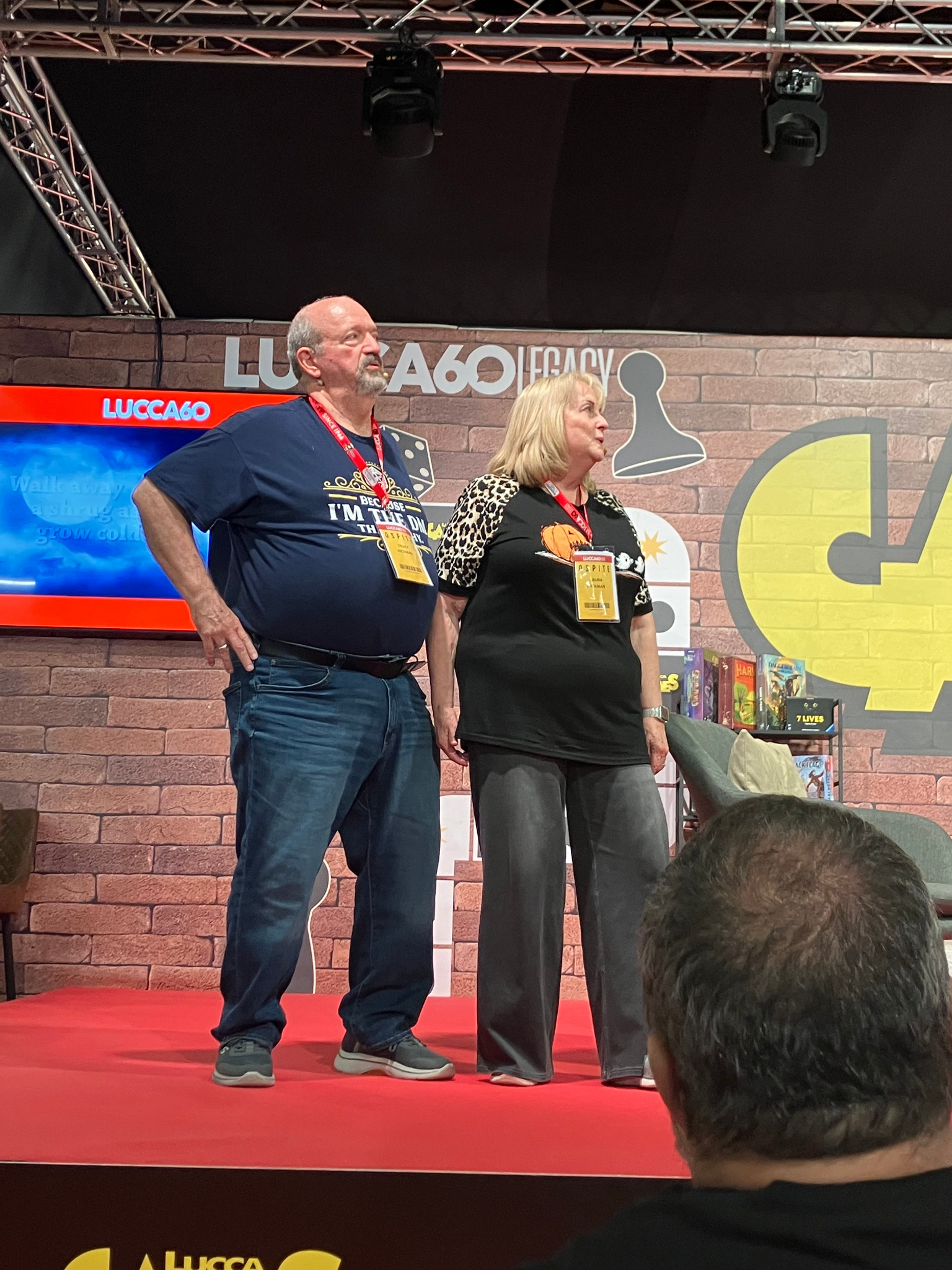
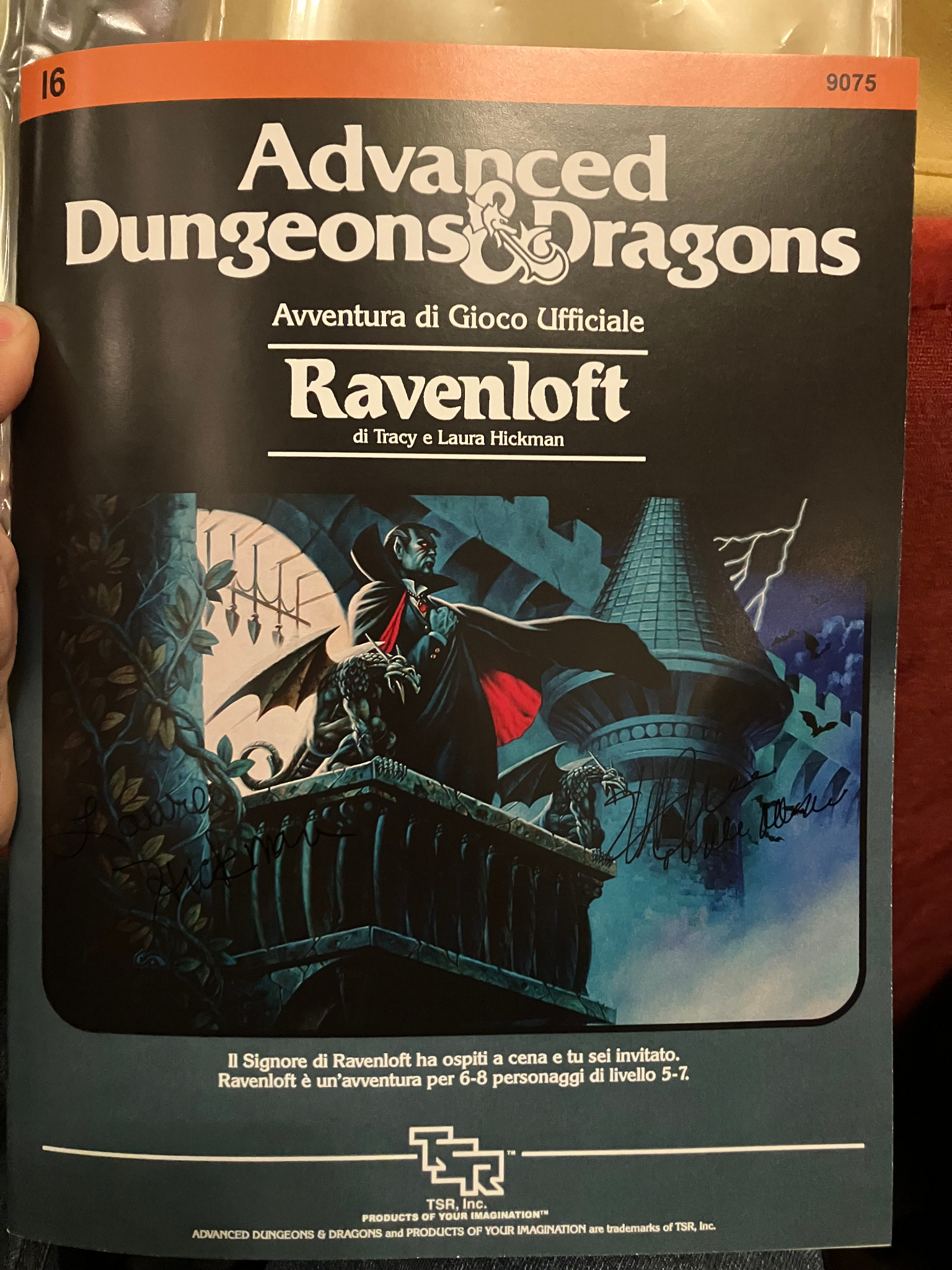
Among the most emotional encounters was meeting Tracy and Laura Hickman on Halloween. Together they created the original I6 Ravenloft adventure, published in 1983, a milestone of gothic fantasy in role-playing games. Tracy is also one of the authors associated with the birth of Dragonlance, a foundational narrative universe in the history of D&D.
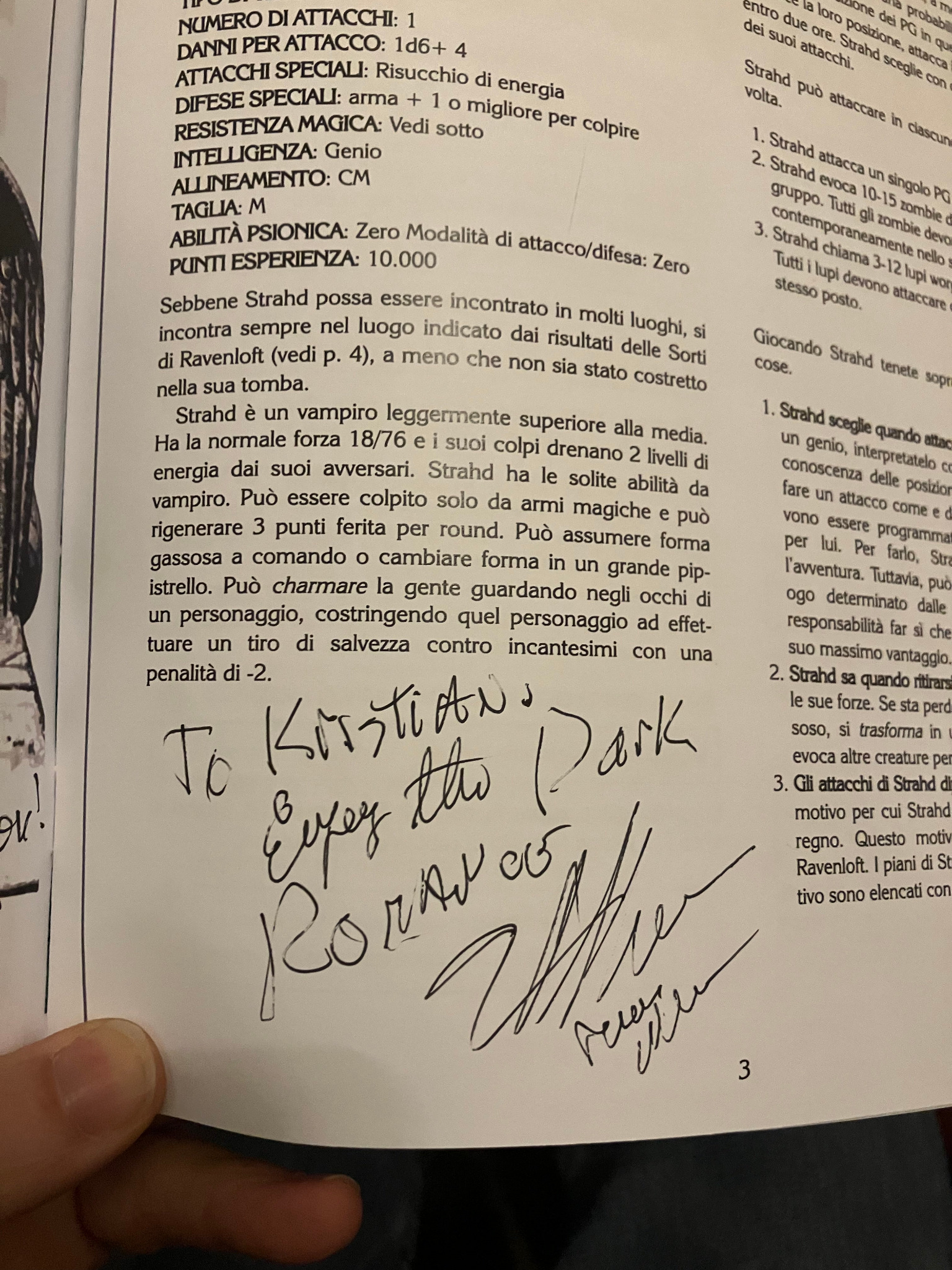
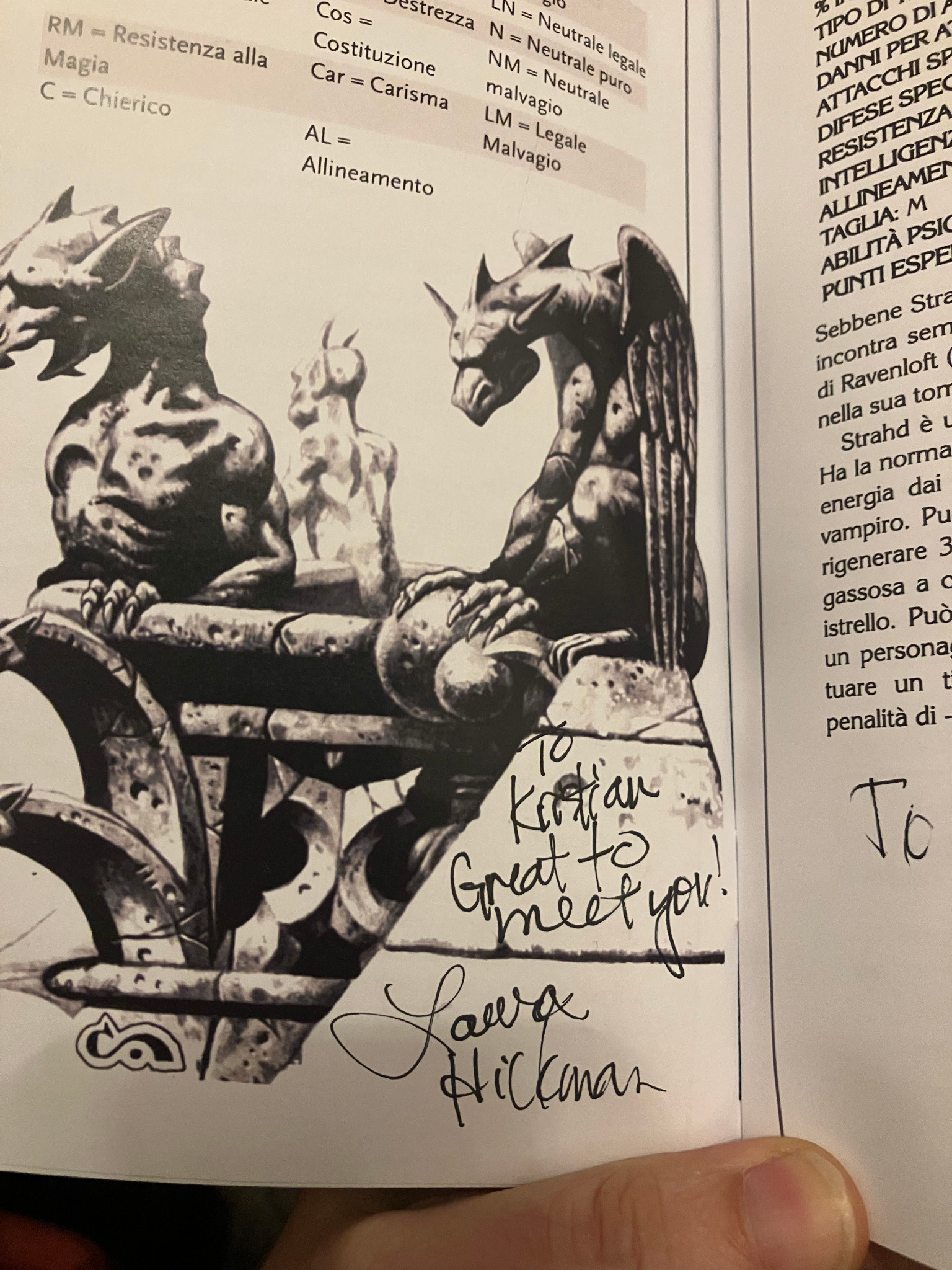
I was able to have an Italian copy of the old Ravenloft module signed. It is one of those objects that, once back home, tells much more than it shows: printed pages, the imagination of those who wrote them, the campaigns of those who played them and the pleasure of meeting, after so many years, the people from whom it all began. The fact that this happened on October 31, with Castle Ravenloft and Strahd’s gothic atmosphere in mind, made the coincidence perfect.
Andrea Rossi, the Master of Masters, and the art of running a game
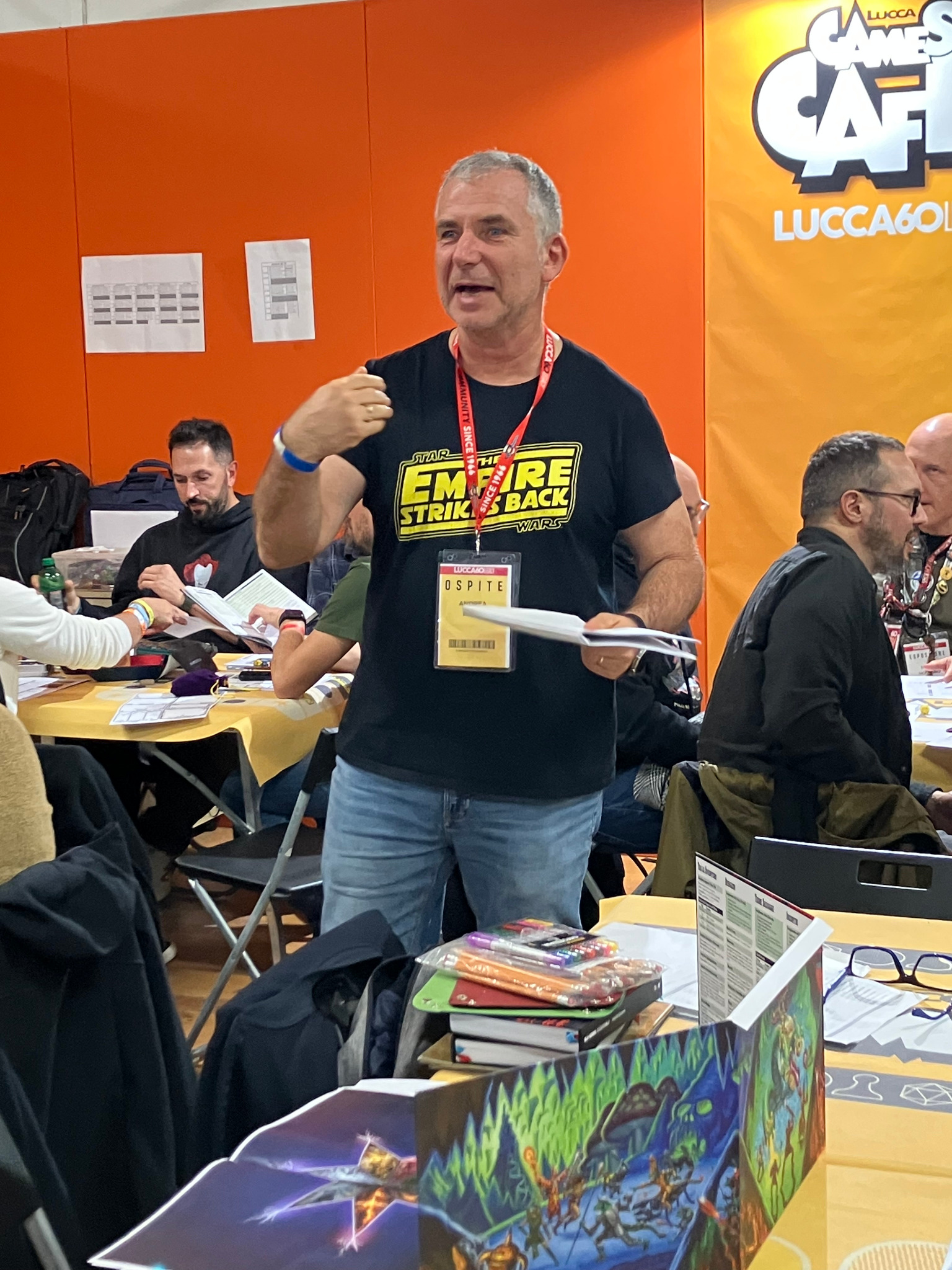
My path through Lucca also included Andrea Rossi, known as the Master of Masters. In 2026 he celebrated forty years of role-playing, a milestone also marked by the festival programme. His experience with old-school play, tournaments and tables shared by different generations offers a complementary perspective to that of international authors.
The work of a Game Master is difficult to reduce to a manual of instructions. It means knowing the rules without becoming their prisoner, preparing a situation while remaining able to change it, reading a group’s energy, calibrating the unexpected and above all allowing players to make the adventure their own. I recognise the same narrative and relational competence in education: the value of a session does not depend on how much the facilitator has spoken, but on how much space they have managed to open for others.
The people who inhabit role-playing
Beyond famous names, the most important part of Lucca remains the encounter with its community. Role-players do not belong to a single category. Some study systems in depth, some collect old modules, some invent settings, some arrive out of curiosity, some love inhabiting a character, and others take the greatest pleasure in creating opportunities for other people to play. Different generations, professions, sensibilities and narrative styles meet. Yet, when people sit at the same table, they accept a demanding cultural rule: no one owns the story alone.
This is what continues to interest me as a teacher. A group is not automatically inclusive, collaborative or educational; it can become so when people learn to listen and when the facilitator assumes responsibility for building a welcoming context. Lucca makes visible how broad and alive this culture can be, and how it can bring together worlds that would rarely meet elsewhere.
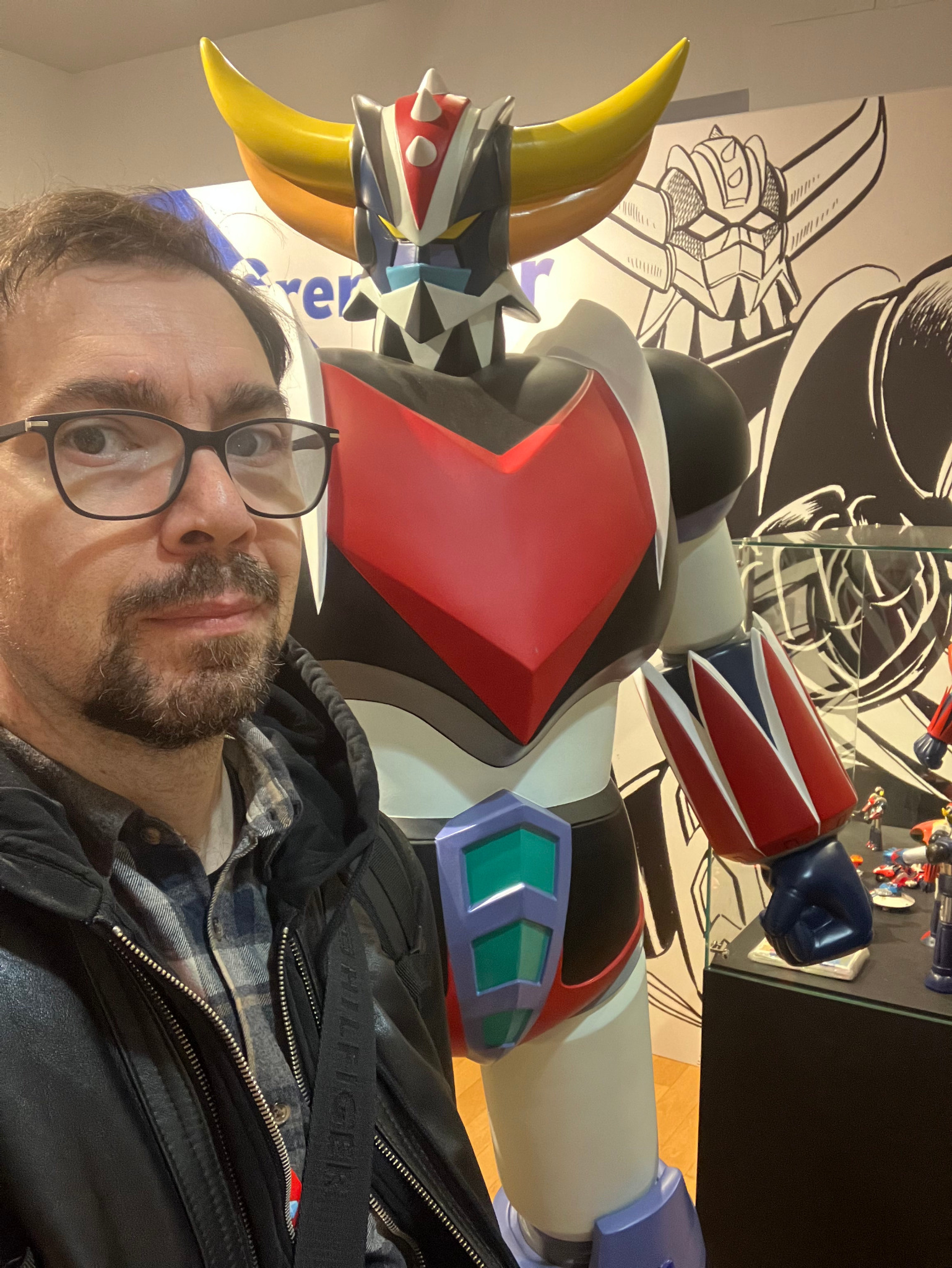
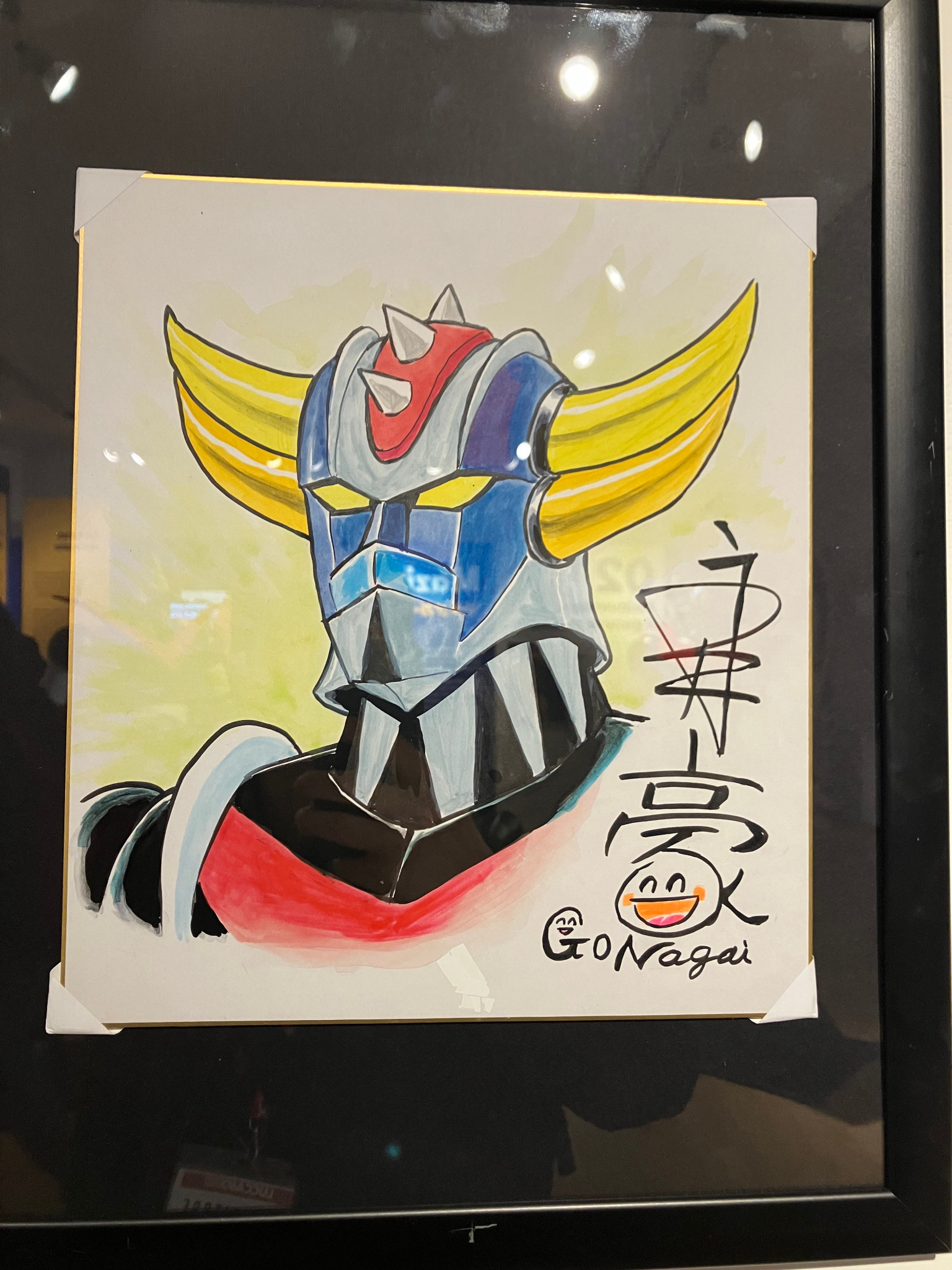
Between sessions there were also fragments of popular culture, from Grendizer/Goldrake and the work of Go Nagai to unexpected encounters away from the gaming tables. They are peripheral memories compared with the educational work, but they belong to the same experience: a city that, for a few days, makes it natural to move through books, images, games and very different imaginations.
An encounter beyond the Games programme: Francesca Albanese and Silent Depths
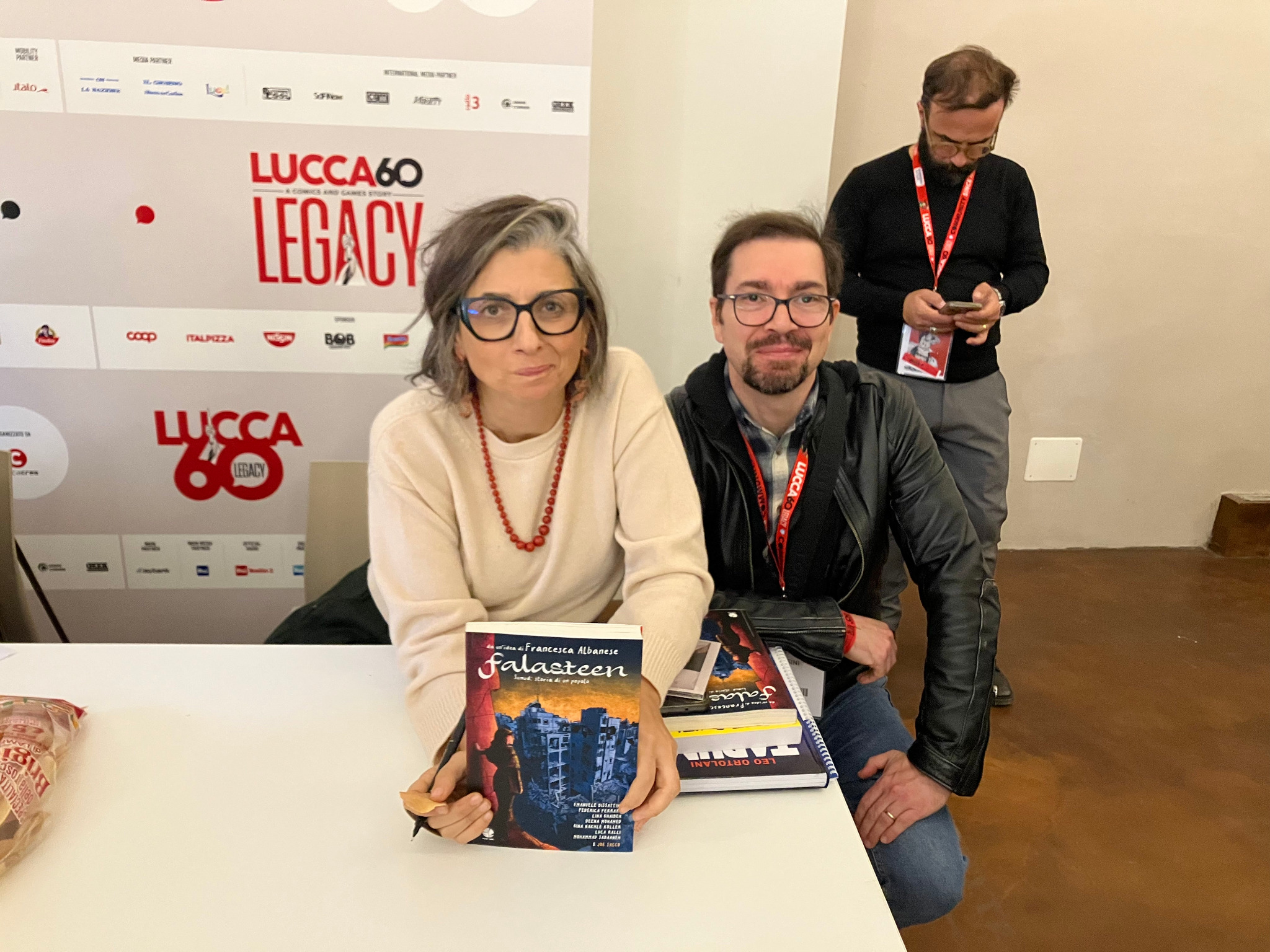
One of the most intense encounters of these days belonged to another part of my work and sensibility. Meeting Francesca Albanese was deeply emotional for me. I had the opportunity to give her a copy of Silent Depths, a project I care about greatly and one that, although born from music, shares with my educational work the belief that art can create listening, awareness and connection.
Silent Depths is an instrumental suite that I composed and produced in 2026 as a reflection on civilian victims of war, with particular attention to Gaza. It brings together Palestinian and international musicians, field recordings and a musical language that tries to give space to human fragility rather than to the rhetoric of conflict. Its release was also connected to a concrete effort to support music education in Gaza.
Bringing that work with me to Lucca and being able to place it directly in Francesca Albanese’s hands was one of those moments when apparently separate paths — music, education, civic commitment and storytelling — suddenly meet. At a festival devoted to the power of imagined worlds, it felt especially meaningful to remember that stories, sounds and games can also help us keep real people in view.
Thank you, IMT — and a hope for what comes next
I would like to thank Ennio Bilancini again for the invitation and for seeing the Dadi, Maghi & Draghi project as a possible contribution to the dialogue between research and education; Caterina Tangheroni, Ruggero Roni and everyone at the IMT School for Advanced Studies Lucca who made the talk and library sessions possible. I also thank everyone who sat at the table, asked questions, took part and shared experiences or doubts.
I hope this encounter does not remain an isolated episode, but can become the beginning of future collaboration between those who study games and those who experiment with them every day with students, teachers and educators. This perspective fits the spirit of Play Lib, IMT Library’s project devoted to the scientific culture of games. Its thematic bibliography on games is a valuable resource for anyone who wants to continue exploring.
If Legacy means leaving something to those who come after us, I believe one of role-playing’s most beautiful legacies is precisely this: not handing down stories that are already finished, but giving other people the tools and confidence to begin new ones.
Official sources and further reading
Dadi, Maghi e Draghi
Play, observe, share
Lucca brought together educational work, the history of role-playing and the human dimension of meeting people. The written talk remains available for anyone who wants to explore the method in greater depth.